
Book Apps and Ebooks

How much do these define the story? How does this impact on my practise?

Book apps are constantly changing, needing updating, require available technology to use them and are of mixed quality. But they are available 24/7, multiple copies can be sought relatively cheaply and they can be highly engaging for students. So, how much does the format dictate the story? I would say that it is very much dependent on the story and the app producers working together. There is no doubt that the potential exists for book apps to be very high quality and there are criteria available (eg. Yokota & William, 2014) that teacher librarians can use to ensure quality is maintained and the resource adds value to the collection. In order for these to be used regularly in classrooms in my school, they would have to offer something valuable that is not available from print books. The appeal I can see would be mainly in the younger years, a time at which actually accessing and logging into devices available is such a phaff that it would be a fairly painful exercise. As such, the pay-off would have to be LARGE. I can definitely see appeal in these apps for reading for pleasure and I would love to be able to offer them to families for use after school and at weekends, but I am fairly confident that this is not possible as far as apps go, and sharing of the individually purchased copies of books within those apps. In fact, thinking about how that would logistically work given the constraints of the ET4L environment, using Windows only (not iOS or Android) one would have to be very careful about what one signed up for.

Ebooks, on the other hand, hold much more realistic value. For students to be able to download these in a browser based way to be read on a tablet/desktop/ereader depending on what they have access to, is a much more do-able proposition. One would have to be very careful about whether the ebooks available were worth the cost, and added something to the text that traditional print does not. Access to books, be they fiction or non-fiction, 24 hours/day and from any device would certain be an advantage. I can’t see it ever overtaking the print collection, but it could certainly augment it. This is something I would really like to look into further for my library.


Yokota, J. & William, H. T. (2014). Picture books in the digital worldThe Reading Teacher, 67(8), 577-585. http://www.readingteacher.com/
The Goldilocks Effect

In considering how I read and process information, I find that I enjoy reading fiction on a backlit ereader. I don’t need to refer back to other sections, I progress through the text linearly. I do like to have some method of tracking how far through the book I am, perhaps a scroll bar on the side or similar, as this helps me with predictions about what is going to happen etc. I like having chapters that are easily accessible and allow me to have a sensible stopping point, otherwise I would never sleep. I like that I don’t need to have a lamp on, I can adjust my font size, background colour etc. However, when I am reading non-fiction or non-linear text, I much prefer to have a printed version. In this way, I can annotate what I am reading, take notes easily, refer back to other sections or other texts. I find that I take in the information much better if I read from paper rather than from a screen. I find it interesting that Kamenetz (2018) has identified that the brains of children do actually function differently when experiencing texts differently. She identifies that the brain and the comprehension is most active when children experience illustrated texts read to them. This has always been my preference too and I am pleased to see my own preference backed up by research. I think that there are benefits and disadvantages to all types of text and as teacher librarians, it falls to us to ensure that each student and faculty member has available to them the most appropriate tool for the job in hand. It therefore behooves us to understand the benefits and disadvantages of all formats and presentation modes


Kamenetz, A. (2018, May 24). What’s going on in your child’s brain when you read them a story? KQED: MindShift. https://www.kqed.org/mindshift/51281/whats-going-on-in-your-childs-brain-when-you-read-them-a-story

Cross Platform Publishing

What is the impact on the role of the teacher librarian from cross platform publishing?

Sekeres & Watson (2011) discuss the publication of the 39 Clues series by Scholastic. They describe online communities, books, trading cards and a website that were combined in order to tell the story/play the game of the 39 Clues. It was not possible to fully participate in the narrative without participating in all of the publishing platforms offered in the series. This required readers to connect with others, collaborate, and, of course purchase, multiple elements. The readers, according the Sekeres & Watson (2011) were highly engaged with the series. They describe readers wanting to connect socially with other fans of the series through the website and online community. The multi-literacy that is required to do this assumes and at the same time teaches a high level of digital literacy and ability to integrate sources of information. This is a positive skill for students to learn and so, teacher librarians should encourage the learning of these skills. Cullen (2015) Discusses how children are seen as naturally competent and confident users of technology and find it very engaging. It is undoubtedly true that digital technology is engaging and motivating for students, however, whether they are developing the critical ability to think about what they are reading/viewing, to integrate various sources of information and come up with verified information, is less clear.  Cladis (2018) argues that, despite the proliferation of digital texts, students are not reading as attentively or thoroughly as in tiimes past, that while students may be exposed to many hundreds of thousands of words in digital environments, they are not engaging fully with them.

Teacher librarians are in a position in between. We know that students will gain more from reading in a more traditional way, but that they are more inclined to do so when there is a digital and social aspect to their reading. We, as advocates of reading, can harness the power of social and multi-media and use it to channel interest and motivation to reading in a more traditional sense. By using technological tools available, such as Biblionasium, Good Reads, Inside a Dog etc, which engage readers in a social discussion of the books they read, we can augment the traditional methods of reading, adding that engagement and motivating factor.

Reading digitally may be more engaging (Heick, 2020) and so may be a way through for reluctant readers. A “gateway drug” that allows students to gain more benefit than they otherwise would by engaging in digital texts where otherwise they may not be engaging with text at all.

References

Cladis, A. E. (2018) A shifting paradigm: An evaluation of the pervasive effects of digital technologies on language expression, creativity, critical thinking, political discourse, and interactive processes of human communications. E-learning and digital media, 2018-01-30, Vol.17 (5), p.204275301775258-364. SAGE Publications

Cullen, M. (2015, December 21). How is interactive media changing the way children learn. EducationTechnologyhttps://educationtechnologysolutions.com.au/2015/12/how-is-interactive-media-changing-the-way-children-learn/

Heick, T. (2020, July 20). Exactly how technology can make reading better. TeachThought. https://www.teachthought.com/technology/technology-makes-reading-better/
Sekeres, D. C. & Watson, C. (2011). New literacies and multimediacy: The immersive universe of the 39 Clues. Children’s Literature in Education, 42, 256-273. https://doi.org/10.1007/s10583-011-9133-4
.

Censorship in School Libraries

How have your various roles based on your age, family background, societal position, religious beliefs and profession influenced your stance on censorship of children’s literature collections?

As teacher librarians, we often feel very strongly that we should not be participating in censorship, be it self-censorship or censorship that comes from above. We also know that it is our job to provide resources appropriate to the community in which we work. The fact that we need to select books based on their appropriateness indicates that it is also our job to not select books that are inappropriate. But where is the line? Who decides what is “selection” and what is “censorship”? Who decides what is appropriate and what is not? In some communities it is not acceptable to include books about certain religions, or books that celebrate cultural features that others may find offensive. I believe there is a line where some subjects become inappropriate for children, but there are many resources out there that skate very close to that line and may, under some circumstances, actually be appropriate for particular purposes, used under teacher guidance. I believe that having a robust challenge policy and a strong selection policy to go along with it is important. If community members can show that something is inappropriate, then we have an obligation to listen. However, I think it should be stressed that it should not be made easy to show that something is inappropriate. Some principals will require any challenged item to be removed simply in order to avoid arguments. I do not think this is a helpful attitude to take. The assumption should be that the material stays in the collection unless and until it is shown to be inappropriate. This should not be because it agrees or disagrees with a particular religion or political belief, or because it contains or does not contain certain language. It should not be because it perpetuates stereotypes (this should be countered by the addition of a collection of texts that balance the stereotype: some authors use stereotypes for particular effect and to make a point.

Books pertaining to controversial topics should be included in school library collections. For example, age appropriate books about periods, evolution, gender fluidity should all be included, offering a balanced collection. I strongly believe that parents have a right to control (up to a point) what is available to their child, but they do not have the right to control what is available to other children.

Multicultural literature

The module reading, Cai (2002), presents three views on what constitutes multicultural literature. The first is that in order to be considered multicultural, a text must include and represent as many cultures as possible, encompassing all cultures of the world equally. That is, a traditional tale from the UK is just as multicultural as one from Africa. In this view, the power relationships, the oppressed and the oppressor, the marginalised and the mainstream, are not taken into account. A literature set could not be thought complete unless both dominant and minority cultures were represented. Another view is that multicultural literature should focus on racial differences. This does not acknowledge that gender, sexual orientation, age or any other element of a person or community might influence the culture. I do not believe that this is the case, however, I can see that decisions as to what constitutes “culture” and what does not is up for debate. The third view is that all books, collectively, represent multicultural literature. This is the view with which I most agree. While there may be some texts that do explore in depth many different cultures, or perhaps the intercession of at least two, it is the collection as a whole that must be “multicultural”. Texts which explore, describe and celebrate all cultures and walks of life should be represented with in a collection. This should incorporate texts that explore the clashing, melding, crossing, dividing and accepting of people from different cultures when they come together. I believe that it is not just ethnic, religious or national difference that contributes to culture, but that age, sexual orientation, gender, privilege (or lack thereof) etc combine to influence and create sub-cultures and all should be represented in the collection. Where the terms “multicultural” and “diverse” meet and crossover, I am not sure. And I am not sure it really matters.


Chapter 1: Defining multicultural literature (pp 3-18) in
Cai, M. (2002). Multicultural literature for children and young adults: Reflections on critical issues. ABC-CLIO, LLC.

Lived experiences in Indigenous literature

My primary school library has, I believe, most of the texts listed in threads about this topic: Baby Business, Young Dark Emu, Jandamarra, Sorry Day, Wilam etc. But what we lack, and what I am finding quite hard to find, is literature exploring the everyday lived experiences of students like mine. We have only one Aboriginal student in our school at the moment and her experience is very different to what we see reflected in a lot of the indigenous literature available. It was very interesting to hear Anita Heiss talking about this in the modules this week.

I think our collection offers a good range for supporting the cross-curricular priority and for including Aboriginal perspectives in the curriculum more broadly, but I notice they tend only to come out during NAIDOC week and that’s about all. This week, as I was sharing Jandamarra with year 5, an very valuable discussion occured because many of the students could not connect “warrior” with the Aboriginal people. They asked, “What were they fighting for?” It was not meant in a derogatory way, many of these students are recent immigrants and have no real concept of Aboriginal history or culture, but it pointed out to all of us in the room that we need to do much better in terms of helping the students to really understand the issues at play.

In my role as TL, I need to promote more of these resources around planning time and help our teachers to include Aboriginal perspectives more effectively. I don’t think it is too much to do with not having the resources available, more that they don’t know what to do with them.

ETL402 Module 2.1 Professional Knowledge of Children’s Literature

The introduction to module 2 cites Cremin, Mottram, Bearne, & Goodwin (2008) who argue that teachers in the UK (and presumably Australia, too) rely on a fairly narrow selection of children’s authors and creators due to a lack of time for keeping up with publishing. Certainly, I would agree. Before I started this course and working in the school library, I had relied heavily on those authors I was familiar with, most of whom I had enjoyed myself as a child. Having worked now for two years in the school library, my knowledge of children’s literature has expanded somewhat, but I still believe I am barely scratching the surface of what is available. Currently we rely heavily on the Australian Standing Orders for collection expansion, along with student and staff (rare though this is) requests. I do not think this is good enough.

Two things happened this term in the school library that cemented my view on this. Firstly, the teachers of the OC classes, two ladies for whom I have enormous respect and personal connection with, asked our fully qualified TL to purchase for them a collection of books for their new classroom libraries for next year. The TL and I spent a good deal of time and energy seeking out the texts we would recommend. This was both a positive learning experience and a wake up call. On the one hand, we employed a number of strategies, which I will detail below, to search for appropriate literature and I was able to learn about and practice these strategies. On the other hand, meanwhile, it quickly became obvious that neither one of us really had a good grip on the state of the children’s literature playing field. My knowledge is very poor and needs expanding desperately. This need led me to sign up for this elective in the hope that I could move some way towards addressing the problem. That I would become more familiar with and develop stronger strategies for exploring, the latest offerings.

The second happening was that our Principal allocated the library an additional and unexpected $8000 to expand our collection of class novel sets. Christmas had come early to the school library and the TL and I were overjoyed and excited as the present collection is very little-used, out dated and generally dodgy. Some sets are falling apart from over use, but most of it has never been looked at. What, then, should we do? Should we spend some serious dough replacing the Roald Dahl collection that is falling apart, and use the remaining funds for new texts? Or should it be the other way around. The fact that the Dahls are so overused seems to indicate that the teachers are relying on him (as suggested earlier by Cremin, Mottram, Bearne, & Goodwin), that they know him and are perhaps time (and inclination) poor and choose not to expand their repertoire. What then to select… and how to select it?

Together we looked through a variety of selection aids: Goodreads, SCIS, NESA Suggested Texts, The PRC reading lists, CBCA shortlisters, favourite reviewers such as Barbara Braxton’s The Bottom Shelf, and various websites such as kids-bookreview.com. What became clear is that, in order for teachers to choose and use a text, they needed to be familiar with it and like it themselves. Having a huge selection of curriculum relevant texts in a dusty storeroom only hits half of the issue. Once good texts are selected, we need to get the teachers interested enough to read them. It is my hope that part of this subject will teach me some effective ways of doing this.


ETL402 Module 1.1

Image

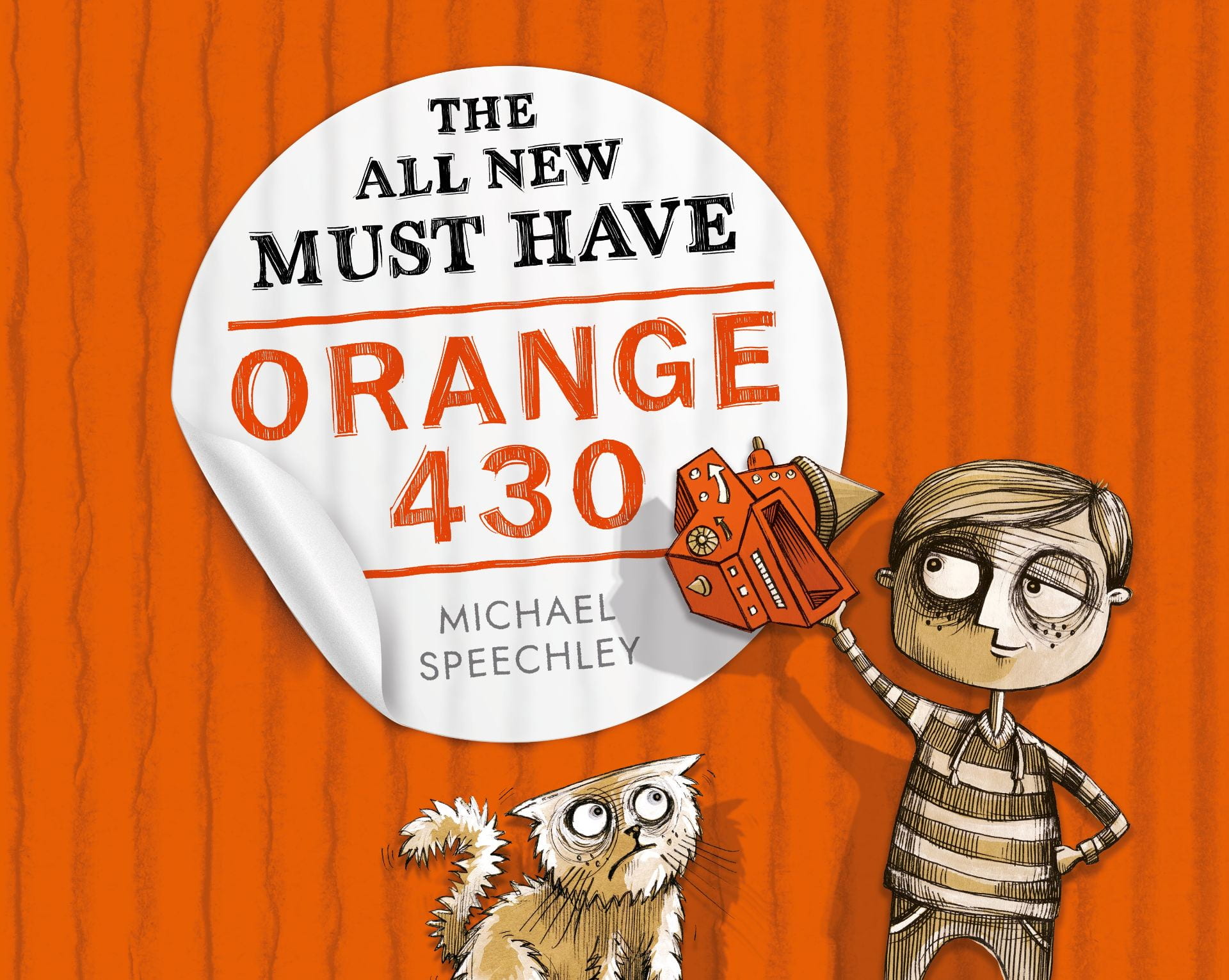
This module has been all about defining what is meant by “Children’s literature” and discussing the history and development of both literature and childhood. It has focused predominantly on Western culture and the English speaking world. In so many parts of society today, we lament the loss of childhood; see our children growing up too fast, yet childhood, certainly as we know it, is a relatively new idea. In relatively recent times children had little access to literature that was written with them specifically in mind. That literature that was available written specifically for children was predominantly instructive. The idea that children should read instructive texts, come away from reading somewhat improved has not gone away. Many texts are written with the goal of exploring a particular social issue or instructing children on proper ways to behave or helpful ways to think. The historical focus on religion may have shifted more into the political sphere, but much of the literature available and targeted to children (movie tie-ins not withstanding) can be a little preach-y. ConsidCover of "The all new must have orange 430. A cartoon boy holds up a useless, unrecognisable object. His cat looks disdainfully at it. er “The All New Must Have OranThe cover of "enemy pie". A cartoon boy sits atop a latice work pie top. Leaves, caterpillars and bugs are crawling in the piege 430″ by Michael Speechley – an exploration of the dangers of consumerism. Or “A Bad Case of the Stripes” by David Shannon (be yourself) , “Enemy Pie” by  Derek Munson (kindness is desirable), “The cover of "Tilly". A young girl sits on a step in a doorway looking wistfully out of a windowTilly” by Jane Godwin and Anna Walker (things – or people – who are lost to us can be kept alive in our hearts and memories). A great many books for children are written as instructive, improving or persuasive texts. Many are explorations of societal norms, problems or issues. Books written for adults do not miss out on this treatment either, and neither they should. While the improving aspects of children’s literature may be less direct than perhaps it was in the past, it is still an important feature of all literature – it explores the nature and development and state of being of us.

What, then, of the future of literature for children? What will it look like in 5, 10 or 20 years and who will be the drivers of change? The publishing industry in America has already been subject to corporate interference. What is published is what sells. If something does well, more of that will be published. Independent publishers are less and less common, and taking a chance on a new author is just that – quite a big chance. Every day readers have the opportunity to influence the industry very little. However, where independent publishers abound, readers themselves can influence what is published by buying (or demanding their libraries buy) the books they want to read. This can, in turn be influenced by social media reviews such as Goodreads. We may think that electronic formats will be increasingly popular, however it seems that there are still some groups of people and types of texts that prefer the hardcopy. Could it be that there may be an increasing prevalence of ebooks for fiction and hardcopies for non-fiction? Perhaps multi-modal texts will have their time in the sun? Perhaps new technologies will come along that allow readers to view and experience their literature in entirely new ways. I would be interested in a device that used augmented reality goggles to add to the experience of a hardcopy book – such that both the ebook and hardcopy can be viewed independently, but when combined, they offer additional features. As we have seen with app based literature, the additions made by the technology need to add to the reader’s experience of the printed version rather than simply replicate it in order to be most successful. What and exciting and dynamic time to be involved in the world of literature!

ETL402: Literature Across the Curriculum

Another subject begins! I am very much looking forward to this subject! I see what expert teacher librarians do and how they interact with teachers and students and I note that one of the key features of the good ones is an almost encyclopedic knowledge of literature, their collection and fresh, current ideas on how they might be used to enhance learning in all parts of the curriculum, not just in English. They common refrain, “It must be great to sit around and read all day!” heard in TL conversations with staff in so many schools is exactly on the money. It would be great! But that’s not what we do. We do and must read widely, deeply and often to explore new literary offerings and identify the applications to the curriculum that new texts have to offer. We must seek out those that should be added to the collection and select those parts of the collection that need to be promoted to teachers and students at the right times. It is my hope that, through this subject I will develop a range of strategies for doing exactly this. I do not need convincing on the value to student learning of great literature. I am a staunch convert already. But I would like to learn about ways to bring my colleagues along with me. Perhaps I will learn about new and various response and analysis activities and how the literature might be used in the classroom in a practical way. I certainly hope that there will be a good amount of practicality involved.

INF447: Research in Practice concluding reflections

This subject has been the hardest so far on my TL journey. I think this is probably due in very large part to the completely new nature of the content. Even when completing my first undergraduate courses, I had some familiarisation with the content because, after all, I had been to school and could remember at least a little of what it was like. Enough to make connections to the content I was being asked to learn. I think I have two key take-aways from this subject. One is a new understanding of reading and interpreting research documents. Understanding that sometimes that which is not published can be as significant as that which is. The design and execution, the methodology chosen and the paradigms underpinning the research available to practitioners carries so much meaning, has taken the researchers time and effort to think out and analyse. Yet it is in analysis of generalisability or transferrability that the true power of INF447 becomes apparent. One must first establish that the topic and content of a piece of research is relevant to the setting in which one works before any of the findings can be usable at all. It seems now that this should be obvious, but I don’t think I could have articulated it before. It is something that I may have noticed after the fact of reading it, but now will be one of the first things I establish deliberately.

The second key take-away will be the effect of the above on the students in my future library. Both as regards the new content and the need to establish relevance of information sought. I have always known that any new content presented to students must be located for them within their general schema of knowledge such that they may make their connections to their lives, to their existing knowledge and to other content presented. I did this naturally in developing my lessons but henceforth I shall make a deliberate point in every lesson of making clear what learning is expected of students and where that new information fits within existing knowledge.

This subject served to point out that information to be learned must be relevant and used in a meaningful way as a direct result of the teaching and learning activities. Looking back, I think this was one of a great many disservices to modern history that were played out in my high school education. Information was presented but its relevance and usefulness was not established and therefore the information was not retained. This must be a cautionary example.