Part A
An effective Teacher Librarian (TL) serves a multifaceted role within a school community and will seamlessly integrate duties as information specialist, curriculum leader, teacher, and information services manager. They empower students to navigate, find, and critically evaluate information for a variety of purposes. TLs inspire a love of reading, and create an inclusive, engaging environment. Through collaboration with educators, they enrich the teaching and learning by providing access to quality curriculum aligned resources. Passionate about fostering lifelong learning, TLs model curiosity and adaptability, and a commitment to intellectual growth. Ultimately, an effective TL equips students with essential skills for academic and personal success in the modern world.

Part B
Technology in the Library
Before my studies, I hadn’t considered the crucial and impactful role technology plays in enhancing library operations and the user experience. As technology has transformed every aspect of society, the traditional library model has evolved into one that integrates Information and Communication Technologies (ICT). Libraries are no longer just repositories of written words (Wyatt & Leorke, 2018), nor are they simply quiet, static spaces reserved for the studious. I’ve come to realise that libraries are evolving into dynamic environments (Sullivan, 2013) and technology plays a crucial role in connecting library services with users.
Additionally, this underscores an important principle that has been consistently emphasised throughout my learning as many of my assessment tasks have required me to identify and meet the specific needs of library users. The necessity for libraries to address user needs is also supported by professional information and educational organisations (New South Wales Department of Education, 2019; Australian Library and Information Association and Australian School Library Association, 2016).
An emphasis on ICT and user needs was further highlighted during the Sydney library study visit. In discussions with staff at Marrickville Library I noted how their ICT services, such as RFID-enabled Smart Shelving, audio loops in the children’s area, and Vox Books, are designed to cater to their diverse community. These innovations streamline borrowing, accommodate hearing-impaired customers, and address linguistic diversity, enhancing the overall user experience. Similarly, my visit to Sydney University and the University of Technology showcased how ICT can elevate library operations and meet user needs. Examples included online booking systems, real-time chat services with information professionals, automated Library Retrieval Systems, push notifications to mobile devices for library updates, and augmented reality information points with QR codes. Additionally, these institutions are meeting the needs of students with rooms featuring assistive technology, media and podcasting facilities, and 3D-printing capabilities. Technologies such as these significantly reduce learning barriers, ensure equitable access to resources, and allow all students to reach their full potential (Tripathi & Shukla, 2014).
The message for me as a practicing TL is clear: school libraries should leverage ICT in innovative ways, always considering the needs, context, and strategic plans of the school and its community. Moreover, I have come to understand that as the use of information technology becomes more widespread, school libraries must keep pace with technological advancements to effectively reach users who are increasingly integrating technology into their daily lives. Embracing these trends ensures that libraries remain relevant, accessible, and responsive to users’ needs, allowing TLS to “change the conversation” and provide what Ray describes as “future-ready libraries” (2016)
I see great value in integrating ICT into library operations and I have begun to think about other ways technology can benefit my ongoing practice as an information professional. Leveraging social media platforms and using technology to create and maintain Personal Learning Networks (PLNs) has become increasingly important to me. Social media offers a powerful tool for librarians and educators to connect with peers, share resources, and engage in professional development. Through social media platforms and specialised forums, librarians can exchange ideas, discuss trends, and collaborate on best practices, all of which will contribute to my continuous learning and the improvement of library services. I found that Utecht’s article on the stages of Personal Learning Networks (2008) to be a great starting point for thinking about how I manage and maintain my own Professional Learning Network (PLN). As I move forward, I hope to develop a strong PLN that can take advantage of the affordances that technology will have on my ability to collaborate and share ideas with other information professionals.
Learning about technology in library settings, particularly when studying INF506: Social Media for Information Professionals has made me think more deeply about the role of technology in libraries. It has led me to reflect on the use of technology in my daily life, particularly as it pertains to online activities and the ready access to information that is available at all times and the need to distinguish between reliable and unreliable sources.
This has had a considerable impact on my learning as I have realised the importance of teaching information and media literacy as well as the impact of social media and misinformation. This includes the role TLs can play in combating deficiencies in student’s ability to avoid misinformation. I believe that educators must work harder to incorporate information and digital literacies in their teaching and learning. I believe in multi-literacy frameworks such as the one proposed by Damasceno (2021), and developing evaluative competencies for students, particularly as new technologies evolve. In the future I will advocate for students to be able to readily apply evaluative skills when navigating information and digital landscapes. In an age where misinformation and disinformation can spread rapidly, equipping students with the skills to critically evaluate sources, understand biases, and discern credible information is essential. I have learned that TLs play a crucial role in fostering these skills, helping students navigate the complexities of information in the digital world.
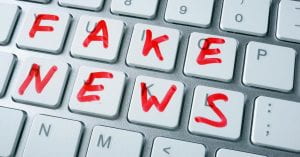
Photo credit: Jeso Carneiro via Flickr/ CC BY-NC 2.0
Literature
Studying ETL402, Literature Across the Curriculum has been an incredibly enlightening experience that has reshaped how I view literature’s role in education. Throughout my study, I discovered that literature is a powerful, multidisciplinary tool that can profoundly impact young readers.
One aspect that deeply resonated with me was the value of literature in fostering a love for reading and its significant influence on students’ overall development. Recognising reading for pleasure as essential for academic success (Whitten, 2016), the course highlighted how reading fiction opens a window to understanding the world (Freire & Slover, 1983; Winch et al., 2014). Immersing oneself in different worlds, consistently reading for pleasure to build, as I like to call it, one’s reading muscle, and finding relatable characters and stories to reflect on are all elements I’ve always valued. It was heartening to come across a forum post from a fellow student that echoed my sentiments and expanded on them creatively and convincingly (Gibson, M. 2023).

I particularly liked the sentiment regarding the development of reading habits, and that literature allows readers to see themselves and foster empathy for others. Since studying ETL402, I have been involved in overhauling my school’s Stage 4 wide reading program and have endeavoured to embed these sentiments regarding the benefits of reading and literature. We now have specific lessons on developing reading culture, reading for empathy and understanding, and literature as a means of reflecting on past, present, and possible future events, to name but a few. I am happy to say that these lessons are taught and reinforced to students on a regular basis.
During my studies I have been particularly drawn to the theme of literature and social awareness. The ability of literature to provide vicarious experiences, foster empathy, and present diverse viewpoints and cultural experiences stood out. This idea also resonated with my fellow students, who noted forum discussions that reading for pleasure “provides students with a sense of self, a sense of their world, and an understanding of ‘other worlds.’” (Bertalli, 2023). This insight became the driving force behind my assessment tasks, and provided the impetus to explore and demonstrate how literature can be integrated into the curriculum to examine social justice issues. Furthermore, I was inspired to link this insight into how I could address cross-curriculum priorities, such as Aboriginal and Torres Strait Islander Histories and Cultures and I came to reflect how powerful literature can be in supporting multiple facets of the Australian Curriculum.
Another significant part of my learning in this course was being introduced to the concept of literary learning, understanding what it is, and how it can be utilised across multiple subject areas. As I have come to understand, literary learning involves using literature as a means to deepen comprehension and engagement across various subjects. This approach transcends the traditional view of literature and focuses on the cognitive value of fiction and various literary genres with the express purpose of enhancing educational outcomes. It allows students to gain experiential knowledge and understanding by immersing themselves in the events and characters of the narrative (Puolakka, 2022). This type of learning highlights literature’s potential to foster connections between disciplines, enhance students’ empathy, and develop analytical skills. I have since taken this knowledge into my professional practice, leveraging literature not just to meet literacy goals within my school’s Middle School wide reading program, but also by collaborating with classroom teachers in history and science and a philosophy & rhetoric elective to enrich learning. For example, I have used historical fiction to supplement teaching and learning in history lessons by providing students with a personal and emotional connection to historical events, making the past more relatable and vivid. Similarly, by incorporating science fiction or narratives about scientific discoveries I have been able to spark interest and curiosity in scientific principles. Additionally, by seeing characters grapple with moral dilemmas in novels, I have successfully facilitated opportunities for students to explore ethical questions in philosophy classes, leading to deeper discussions and understanding.
While I continue to advocate for reading for pleasure in my daily professional life, I now feel equipped to explain how versatile literature can be in supporting specific curriculum outcomes. I now see literature as a vibrant tool for cross-disciplinary engagement and critical thinking, and I am grateful for how the Literature Across the Curriculum course has broadened my perspective in this regard.
Another invaluable aspect of my learning were the practical insights I received into reader response theory and literature response strategies. Reader response theory, which enhances critical reading skills (Kaskamanidis, 2002), emphasises the reader’s role in creating meaning from texts, encouraging students to engage with literature on a personal level. This approach fosters a more interactive and participatory classroom environment where students feel their interpretations and perspectives are valued.
Exploring diverse literature response strategies, such as literature circles (Brownlie & Schnellert, 2019), has been immensely insightful and added to my knowledge base, allowing me to make lessons more enriching and aligned with educational goals. I have successfully been able to use literature circles in classes to encourage collaborative learning and dialogue among students, helping them to articulate their thoughts and engage with their peers’ perspectives. I have seen that these strategies not only enhance comprehension but also build communication skills and critical thinking.
In the future, my teaching philosophy will integrate literature as a dynamic force across all subjects. I anticipate literature will become a catalyst for fostering curiosity, critical thinking, and a deeper understanding of diverse perspectives. By utilising literature in a cross-disciplinary manner, I aim to create a more holistic and engaging learning experience for my students, one that nurtures their intellectual and emotional growth.
Collection Development
I believe that my understanding and everyday practice regarding collection development has matured considerably throughout the teacher Librarianship course, particularly due to the learning I undertook in ETL503: Resourcing the Curriculum. Initially, I viewed collection development as a straightforward process of selecting books to fill the library shelves, but my experiences in this course have taught me that it is a far more nuanced and strategic undertaking.
At the outset of the course, I had a basic understanding of collection development that was primarily concerned with selecting resources that supported the curriculum. I identified that school libraries, are in a constant state of flux as new cohorts are being introduced annually, as well as changing curriculum, syllabus, and strategic visions by school administrators, which can impact the collection in different ways. This made me consider and appreciate the broader responsibilities involved in developing and managing collections, and the difference between collection development and collection management. I learned that effective collection development is not just about adding new resources but also about managing the existing collection.
The course also deepened my understanding of evaluative criteria for selecting resources, such as relevance, accuracy, currency, and quality. Applying these criteria ensures that the collection remains current and valuable. However, my understanding now has expanded to include collection management practices such as storage, preservation, organisation and staffing, as outlined by Johnson (2009), in addition to budget management, management of technology, and accessibility, as outlined by Van Zijl (2005). Understanding the importance of a systematic approach to collection management was eye-opening for me. I came to realise that the ongoing process of evaluating the collection is crucial for maintaining its vitality. This led to an awareness of the importance of weeding, or deselecting, outdated, underused or poorly conditioned materials to maintain a dynamic and useful collection.
One of the most significant lessons I learned was the critical role of collection development policies in guiding the selection, management, and weeding of resources. Before this course, I had never fully understood the importance of having a clear, written policy that outlines the criteria for adding or removing items from the collection. The course emphasised that such policies are essential for ensuring consistency and transparency in decision-making. They provide a framework for making informed choices that align with the educational goals of the school and the needs of its community.
Developing a thorough collection development policy is something I now see as foundational to the role of a teacher librarian. This policy not only helps in the selection of appropriate resources but also protects the library from scrutiny and challenges related to censorship. By having a clear, articulated policy, we can defend our choices and ensure that the collection remains diverse and inclusive, representing a wide range of perspectives.
ETL503 also brought to light the ongoing issue of censorship in school libraries, an area I had not deeply considered before. I learned that censorship could take many forms, such as vendor and publisher bias, self-censorship and ‘community standards’ (Moody, 2005) and involve the outright banning of books or more subtle pressures to remove or avoid certain materials. This highlighted the importance of having a well-defined collection development policy that includes a clear stance on intellectual freedom and the right of students to access a broad range of information (IFLA, 2015; ALIA, 2015).

Understanding how to navigate challenges related to censorship is now a key part of my professional toolkit. I recognise that it is essential to stand firm in the face of challenges to ensure that the library remains a place of open inquiry and diverse perspectives. This means not only selecting materials that reflect a wide range of views but also being prepared to defend those choices when necessary.
My new knowledge and awareness of collection development and management was vital, and I have translated this into practical improvements in my own school library. Recently I undertook a massive overhaul of my school library collection, including quite a large and outdated stack that was taking up space in the school archives. In collaboration with other TLs and library staff, our collection development and management policies were updated to reflect new selection and deselection criteria, as well as policy on censorship and challenged materials. Following this I collaborated with teaching staff, who could advise on relevance of resources to syllabus requirements, before using other evaluate criteria, such accuracy, currency, and quality to begin the deselection process. By removing outdated or underused materials, we not only made space for new resources but also ensured that the collection reflects the current needs and interests of the school community.
References
Australian Library and Information Association (ALIA). (2015). Free access to information statement. https://read.alia.org.au/alia-free-access-information-statement
Australian Library and Information Association (ALIA), & Australian School Library Association (ASLA). (2016). Joint statement on school library resource provision. ASLA Policies. https://asla.org.au/resources/Documents/Website%20Documents/Policies/policy_School_Library_Resource_Provision.pdf
Australian Library and Information Association (ALIA), & Australian School Library Association (ASLA). (n.d.). Standards. ASLA Policies. https://asla.org.au/resources/Documents/Website%20Documents/Policies/TLstandards.pdf
Bertalli, B. (2023). Why Read?. Overview and introduction to children’s literature. [ETL402 Module 1]. Charles Sturt University. Retrieved June 15, 2024 from https://interact2.csu.edu.au/webapps/discussionboard/do/message?action=list_messages&course_id=_68463_1&nav=discussion_board_entry&conf_id=_140364_1&forum_id=_329057_1&message_id=_4628595_1
Brownlie, F., & Schnellert, L. (2019). Grand conversations, thoughtful responses: A unique approach to literature circles. Portage & Main Press.
Damasceno, C. S. (2021). Multiliteracies for Combating Information Disorder and Fostering Civic Dialogue. Social Media + Society, 7(1), 205630512098444. https://doi.org/10.1177/2056305120984444
Freire, P., & Slover, L. (1983). The importance of the act of reading. Journal of Education (Boston, Mass.), 165(1), 5–11. https://doi.org/10.1177/002205748316500103
Gibson, M. (2023). 1.1b Why Read? Overview and introduction to children’s literature. [ETL402 module 1]. Charles Sturt University. https://interact2.csu.edu.au/webapps/discussionboard/do/message?action=list_messages&course_id=_68463_1&nav=discussion_board_entry&conf_id=_140364_1&forum_id=_329057_1&message_id=_4640430_1
International Federation of Library Associations and Institutions (IFLA). (2015). IFLA School Library Guidelines, 2nd revised edition. Resources. https://www.ifla.org/resources/?oPubId=9512
Johnson, P. (2009). Fundamentals of collection development and management. (2nd ed). American Library Association.
Kaskamanidis, Z. (2022, August 2). Reader-response: Boosting students’ critical reading skills. Teacher. https://www.teachermagazine.com/au_en/articles/reader-response-boosting-students-critical-reading-skills
Moody, K. (2005). Covert censorship in libraries: a discussion paper. The Australian Library Journal, 54(2), 138-147.
New South Wales Department of Education. (2019, October 2). Library. Education.nsw.gov.au. http://education.nsw.gov.au/policy-library/policies/pd-2005-0221
Puolakka, K. (2022). Learning from literary experience. The Journal of Aesthetic Education 56(1), 56-73. https://muse-jhu-edu.ezproxy.csu.edu.au/article/848304
Ray, M. (2016, June 8). Changing the conversation about librarians. TEDx Talks. https://youtu.be/IniFUB7worY?si=__rwtzRSRxTid3y-
Sullivan, M. (2013). Library spaces for 21st-century learners: A planning guide for creating new school library concepts. Retrieved June 22, 2024 from https://primo.csu.edu.au/discovery/fulldisplay?docid=alma991012675843202357&context=L&vid=61CSU_INST:61CSU&search_scope=MyInst_and_CI&tab=Everything&lang=en
Tripathi, M., & Shukla, A. (2014). Use of Assistive Technologies in Academic Libraries: A Survey. Assistive Technology, 26(2), 105–118. https://doi-org.ezproxy.csu.edu.au/10.1080/10400435.2013.853329
Utecht, J. (2008, April 3). Stages of PLN adoption. The Thinking Stick. Retrieved June 15, 2024 from https://www.thethinkingstick.com/stages-of-pln-adoption/
Van Zijl, C.W. (2005). Developing and managing information collections for academics and researchers at a university of technology: a case study. Pretoria: University of South Africa. http://uir.unisa.ac.za/handle/10500/1363
Whitten, C., Labby, S., & Sullivan, S. (2016). The impact of pleasure reading on academic success. The Journal of Multidisciplinary Graduate Research, 2, 48-64. https://www.shsu.edu/academics/education/journal-of-multidisciplinary-graduate-research/documents/2016/WhittenJournalFinal.pdf
Winch, G., Ross, J. R., March, P., Ljungdahl, L., & Holliday, M. (2014). Literacy: Reading, writing and children’s literature. Oxford University Press.
Wyatt, D., & Leorke, L. (2018, August 20). Technology hasn’t killed public libraries – it’s inspired them to transform and stay relevant. The Conversation. Retrieved August 17, 2024 from https://theconversation.com/technology-hasnt-killed-public-libraries-its-inspired-them-to-transform-and-stay-relevant-100900
Part C
Professional Knowledge
To achieve the status of an excellent teacher librarian, I recognise the need to further develop my knowledge of “literature for children and young adults, curriculum and specific programs” (ALIA & ASLA, 2004). This is particularly important as I may encounter unfamiliar subject areas and must adapt to the evolving nature of school curriculum and emerging pedagogies. Strengthening my knowledge in these areas will better equip me to support both students and staff effectively.
Additionally, I need to deepen my “knowledge of national standards for library and information management” and “information retrieval” (ALIA & ASLA, 2004). Mastery of these standards is essential for maintaining and managing a school library that meets the highest benchmarks. Developing this expertise will enable me to remain adaptable and innovative, ensuring that the library continues to meet the diverse learning needs of the school community. Ongoing professional development will be crucial in keeping my skills current and relevant.
Professional Practice
To achieve excellence in Professional Practice, I recognise the importance of further developing my ability to “collaborate with teachers to plan and implement information literacy and literature programs” that lead to positive student learning outcomes (ALIA & ASLA, 2004). This collaborative approach is vital, as it not only enriches the student learning experience but also strengthens the role of the library as a central hub within the school’s educational ecosystem.
Additionally, I need to refine my skills in “measuring library resources, facilities, programs and services against current policies, standards documents and benchmarks” and in “using evidence to inform programs and services” (ALIA & ASLA, 2004). Developing these skills is essential for assessing the impact of library resources on student learning and for making data-driven decisions. By enhancing my ability to evaluate and adapt library programs to meet changing educational needs, I will be better equipped to support the school community and maintain high standards of practice.
Professional Commitment
To excel in Professional Commitment, I recognise the need to “actively engage in school leadership and participate in key committees” (ALIA & ASLA, 2004). This involvement is crucial as it provides opportunities to advocate for the library’s role in supporting teaching and learning and to showcase its value within the school community. By taking on leadership roles, I can contribute to strategic decision-making and ensure that the library remains integral to the school’s educational goals.
Additionally, the importance of being a leader within the school has been an important lesson during my studies. Whilst I am now more confident in my ability to lead from the middle, I feel that I will need to further develop skills that “build and foster collaborative teams within school and professional communities” (ALIA & ASLA, 2004). These collaborations will strengthen the library’s impact and allow me to engage with and learn from other professionals. Enhancing my leadership abilities provides opportunities to lead initiatives that drive innovation and improvement within the school library and enable me to contribute more effectively to both the school and the broader educational community.
References
Australian Library and Information Association (ALIA) & Australian School Library Association (ASLA). (2004). Standards of professional excellence for teacher librarians. https://read.alia.org.au/alia-asla-standards-professional-excellence-teacher-librarians

